The Battle of the Afsluitdijk in May 1940 represents a notable defensive success during Germany’s invasion of the Netherlands. As part of their comprehensive strategy to capture Holland’s key territories, German Wehrmacht forces needed to secure the Afsluitdijk – a crucial 20-mile causeway connecting the country’s northern provinces to the western regions.
However, from May 12-14, Dutch forces under Captain Christiaan Boers mounted an unexpectedly effective defense at Fort Kornwerderzand. Despite facing superior numbers and firepower, the Dutch garrison utilized well-fortified positions to successfully repel the German assault, preventing the Wehrmacht from concentrating their forces on the Netherlands’ most strategically important areas. This resistance forced the Germans to abandon their direct approach and instead reroute their attack across the IJsselmeer, eventually landing north of Amsterdam. Although the Netherlands ultimately capitulated on May 14th following the bombing of Rotterdam, the defense of Kornwerderzand proved significant for two reasons: it was the only Dutch defensive position to successfully withstand enemy attack during the campaign, and it represented one of the rare tactical setbacks experienced by the German Blitzkrieg forces during this period of the war.
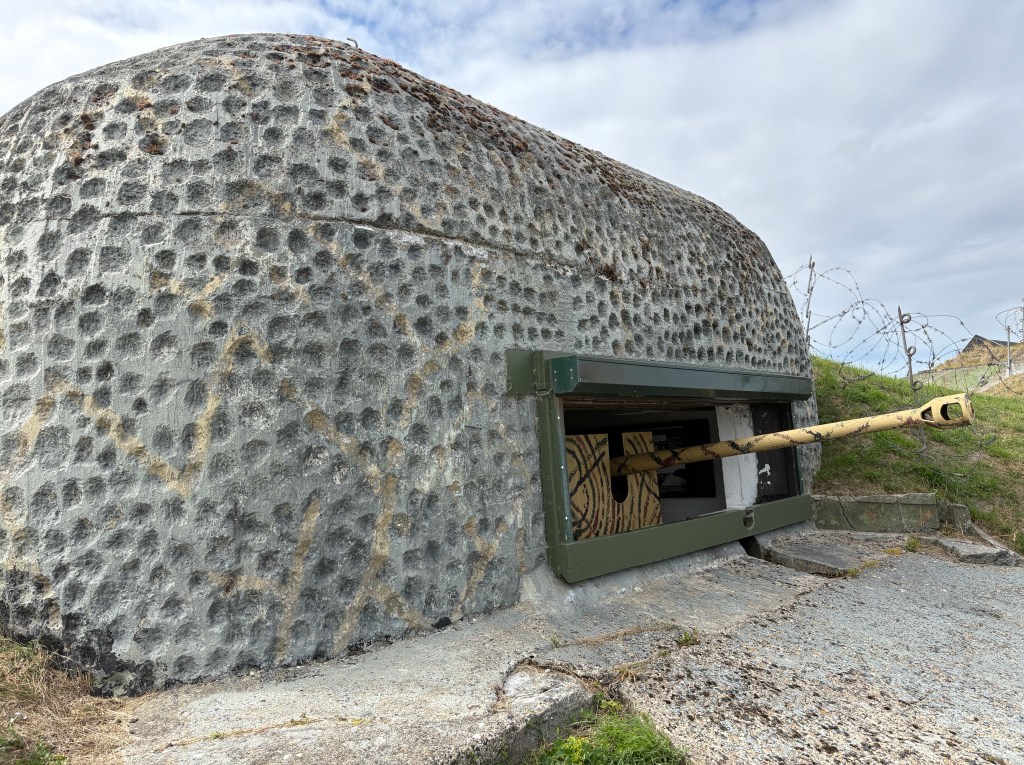
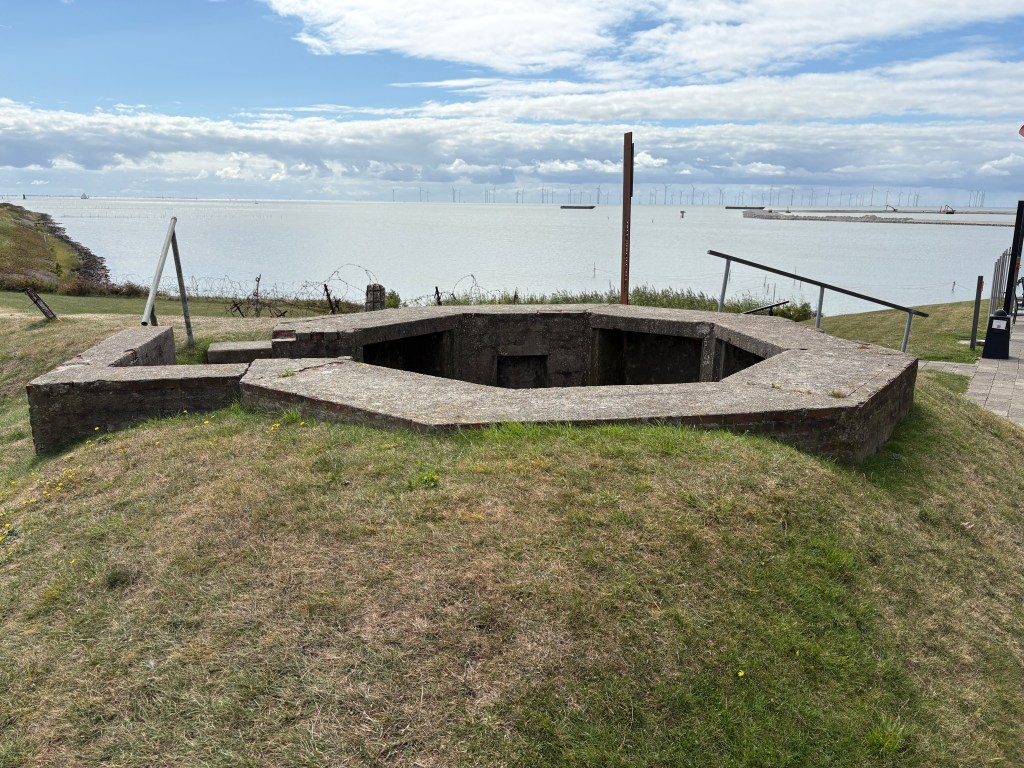
During their occupation, German forces augmented the fort with anti-aircraft defences and Tobruk and an Anti-tank bunker.
Today, the bunkers at Fort Kornwerderzand remain exceptionally well-preserved, offering visitors the chance to get hands on with many of the features of the bunkers such as the ability to open and close embrasures.

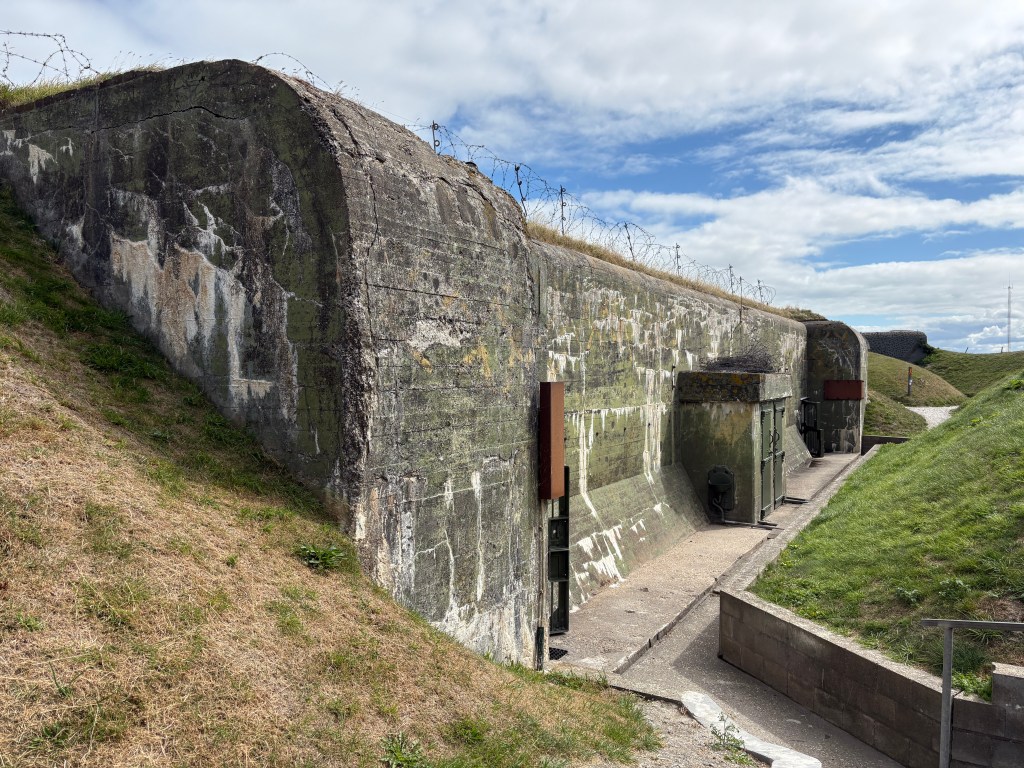
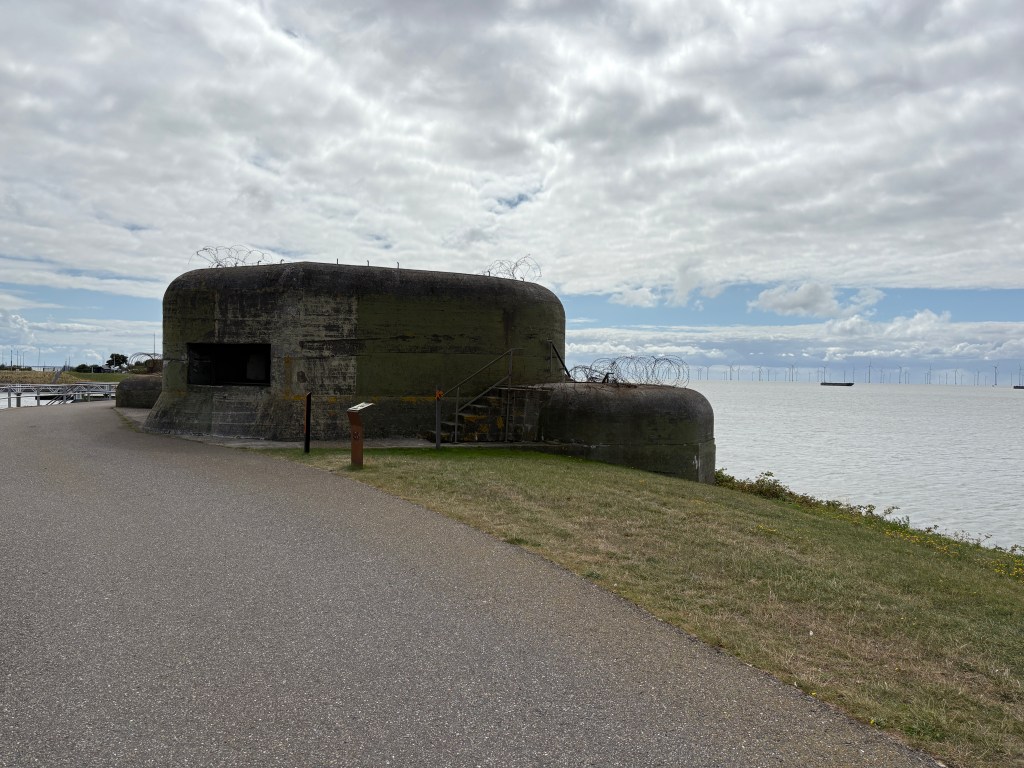
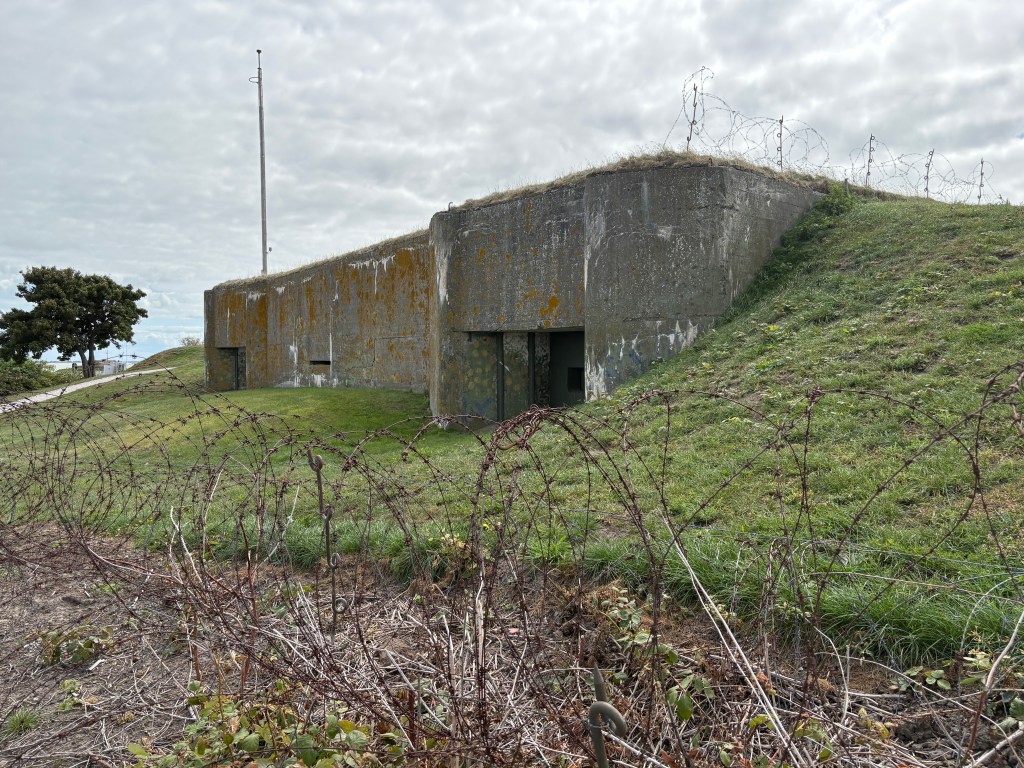


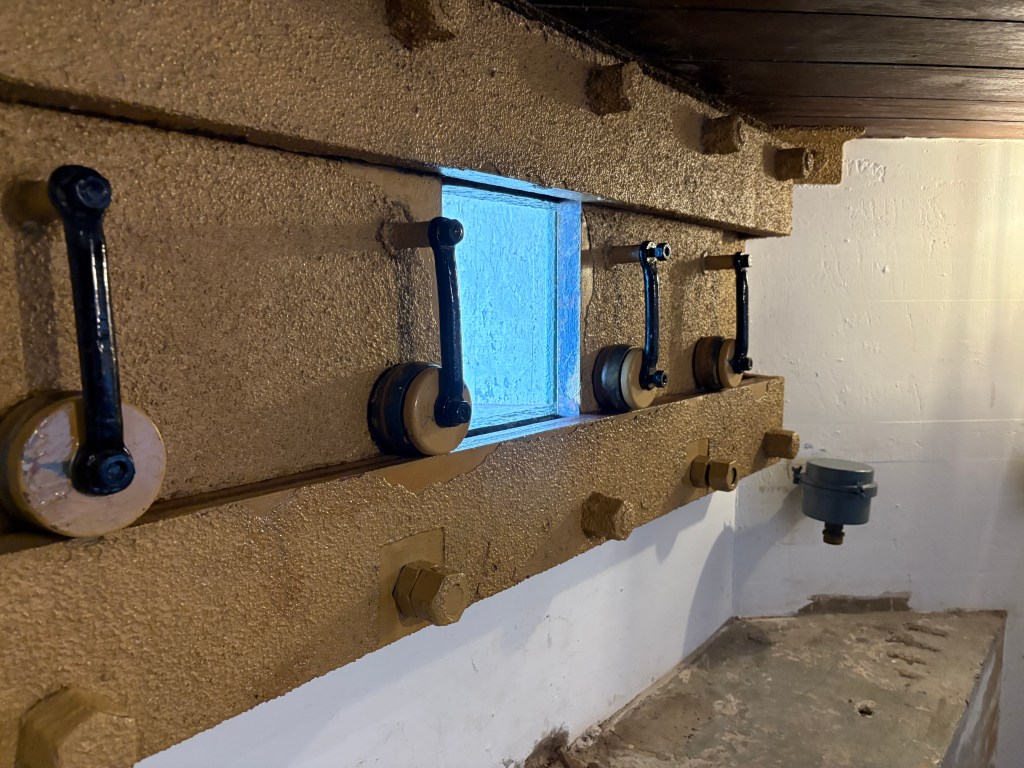
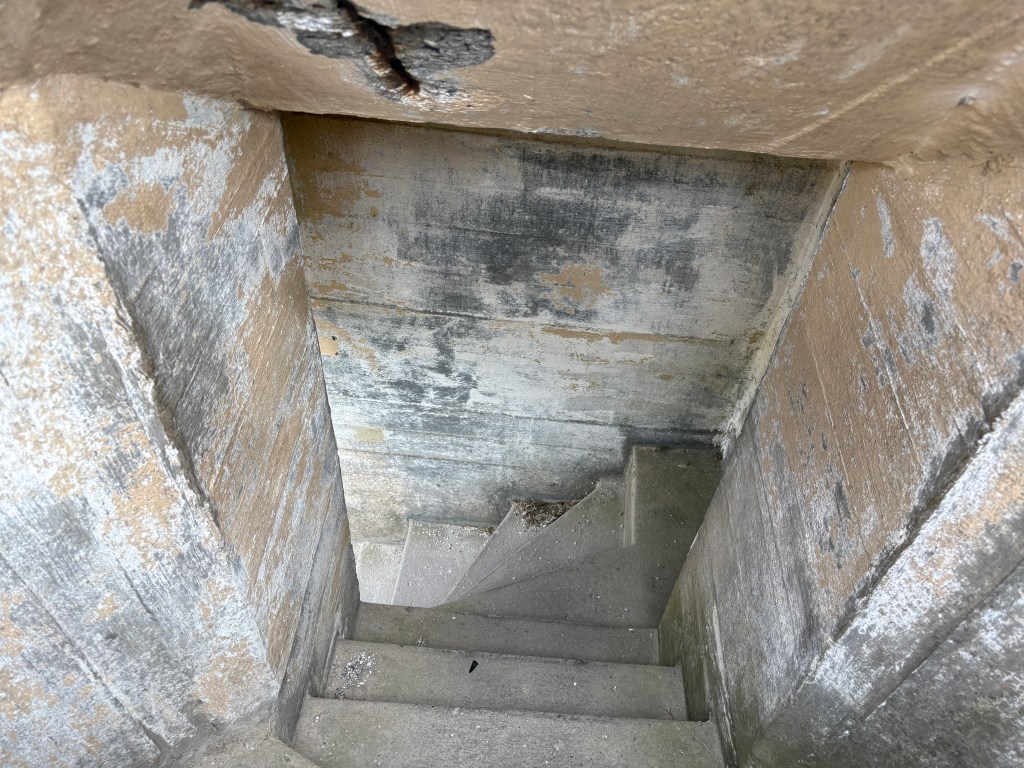
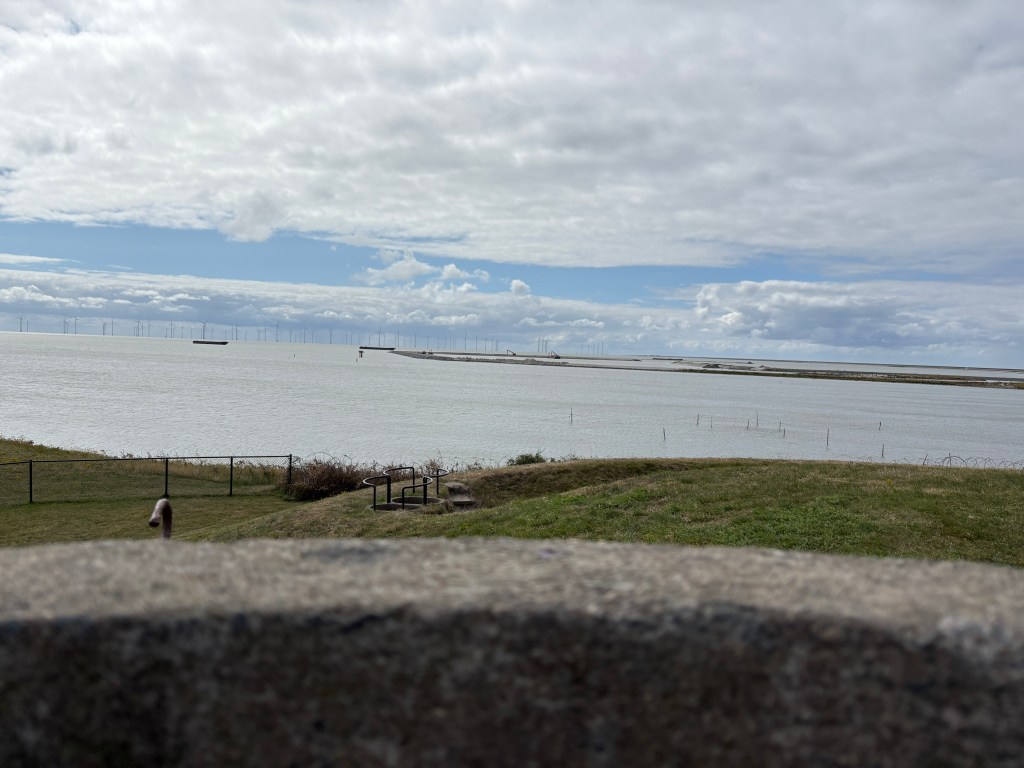
The following photos are of the German additions, the last two show the walk up to the Tobruk and the view from it.


 Decisive Hours